
Websites have been commoditized. In the 1990s, having one meant a lot. It meant you were at the frontier of the internet. In the first decade of the millennium, it still meant something. It meant you were forward-thinking. It was prestigious. Between 2010 and 2020, having a website became the most normal thing in the world. And today, in 2026, having your own website is a commodity. Anyone on the planet can have one if they want to.
The obstacles to getting your first website online were once enormous. It took a lot of money, a lot of effort, and often real technical skill. As the years passed, the barriers came down. Today, very little effort and very little money is needed to create your own website.
If websites are now a commodity, the real question becomes: what is a website worth? I believe the value of a website can be enormous, but only if two conditions are met.
- A modern website needs a clear and differentiated offer. That means strategic work behind every section and every line of text, so that the site itself works as a sales tool. We want to maximize the number of people who reach the site. We want to maximize the number of customers we win. We want to maximize the money people spend on our businesses and our brands. We want to maximize the number of fans we create. We want to maximize the probability of changing the behavior of anyone who visits. If a website has no clear call to action, if there is nothing it is supposed to change, then it should not exist.
- A functional website today needs a discoverability layer. Not just the traditional search engine optimization that helps you be found on Google, but a structure of information that AI crawlers can reach and understand. These are the artificial intelligence agents that visit your website, read everything, interpret it, and then, with the highest probability, recommend you to potential customers.
But being found and understood is still not enough. AI models will only recommend you with confidence when the evidence adds up. This is where most of us have an advantage we are not using. The work is already outstanding. The results are already real. What is missing is the visible proof.
Your website has to display undeniable evidence of what you have actually done. Your best projects shown clearly. Real testimonials from real customers. Numbers anyone can verify. Media mentions, awards, case studies. Anything that lets an AI triangulate that you are who you say you are. This is what builds trust in a world where your reader is no longer a person scrolling through your homepage, but an AI agent deciding, in a fraction of a second, whether to recommend your business to a stranger. That is the economy of digital trust.
Every website today needs to boost its findability, its understandability, and its evidence of quality so that AI models like Claude, ChatGPT, and Gemini can tell potential customers about your business with confidence. A website that does not do this was built for the past. A website that does it well was built to serve the present and the future.
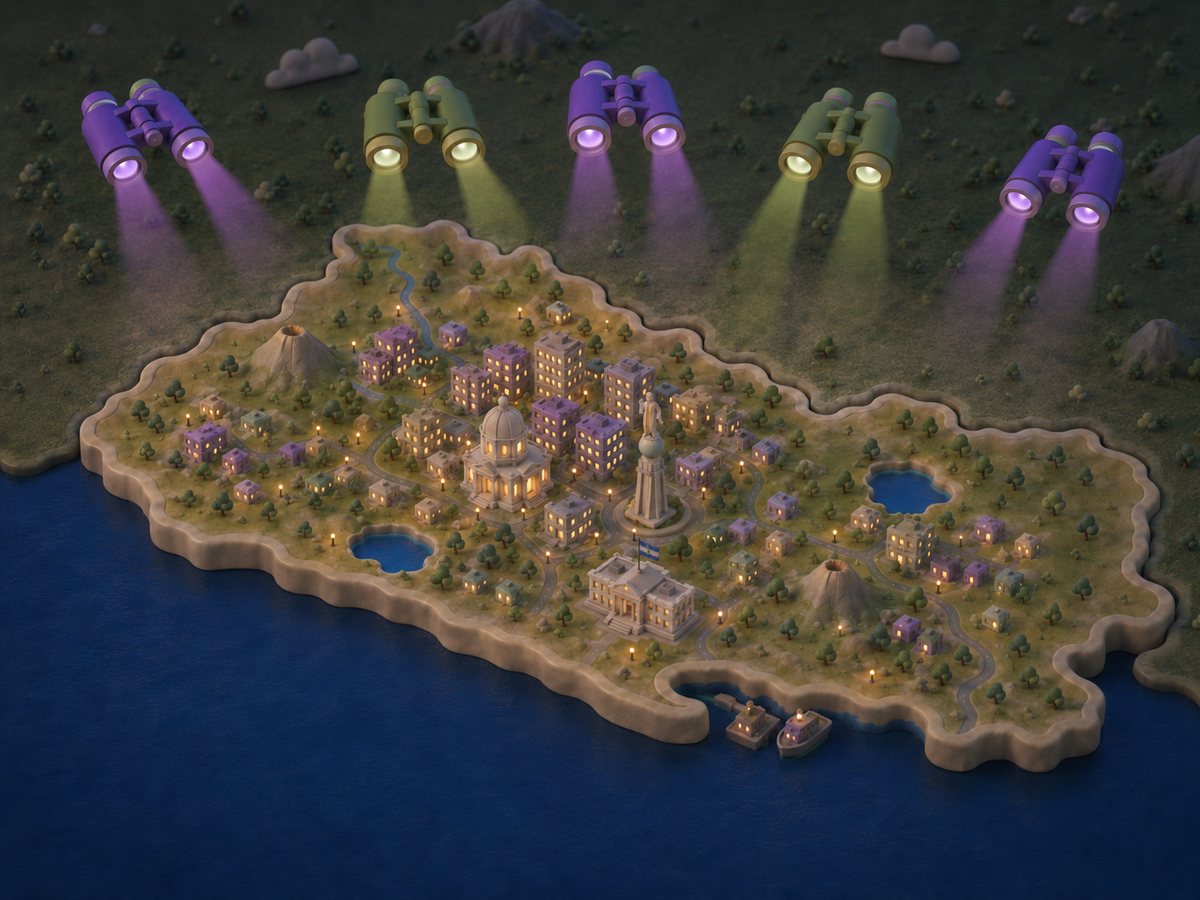
In El Salvador, there is a massive discoverability gap that needs to be closed. Most of our country, most of our companies, and most of the relevant digital data created here is locked behind private doors, private servers, and private walls. It never reaches the AI agents that need to learn about who we are and what we do. In plain and honest words: El Salvador is barely findable by most AI models, and that translates into an economic and strategic position that is far below what we deserve.
According to a June 2026 study by SparkToro, 68% of Google searches now end without a single click on any website. On mobile, that number climbs to 77%. Most of those users just read the AI-generated answer at the top of the page. That is why projects like EverybodyKnowsYou.com exist: a service that builds you a website with both the strategic and the discoverability layers in mind. A website that looks incredibly cool, personalized for your brand, and at the same time truly discoverable, understandable, and recommendable by AI agents.
If you choose Wix, Squarespace, or WordPress, you will spend many hours trying to build a website that sells your business, without design experience, without branding experience, and without knowing how to explain the value you offer. And you will be charged, month after month, for something that has become a commodity elsewhere.
The most popular alternative here is to work with artists or designers. They will make your site look beautiful, but rarely will they use the full potential of the website to serve its primary function: bringing you more clients.
Newer alternatives, like EverybodyKnowsYou, onboard new customers in a single one-hour chat with someone who understands business and knows which questions to ask. Three days later, your entire website is done for you, discoverability layer included, with minimum hassle. But the most interesting part happens in the background. Every one of these new websites is included in directories built specifically for AI. Over the coming months and years, artificial intelligence begins to form a more complete picture of what is going on in El Salvador: who is doing what. As that picture becomes clearer, through services like EverybodyKnowsYou.com, AI will start to trust the data we produce here. It will start recommending our brands, our businesses, and our invitations with more confidence to customers across the world.
We need to stop thinking of the corner shop as our competitor. Our real competitors are outside our country. They could be somewhere in India, somewhere in China, or anywhere else serving the same customer we could serve. If we build a more interconnected layer of structured data together, we can tell the world a compelling story. That El Salvador is the place to build. And that there has never been a better time to work with Salvadoran companies, or to start one here.
Source: SparkToro, "Zero-Click Search Study," June 2026. Coverage in Search Engine Land, "Google zero-click searches reach 68% in early 2026," June 9, 2026.